SEO
How Search Engines Work: Crawling, Indexing and Ranking
How search engines work in three stages: crawling finds pages, indexing organises them, ranking orders them by intent, and the SEO question to ask at each.

How search engines work comes down to three stages: crawling finds new and updated pages, indexing organises what is on them, and ranking orders the relevant ones for each search. Google, Bing and others each have their own systems and rules, but these three stages explain why SEO asks what it asks: can a search engine find the page, can it understand it, and does it answer what the person searching wants?
Prefer to watch? This is lesson 5 of my beginner SEO course.
How is a search engine like a librarian?
It has to find, organise and recommend, just with web pages instead of books. Ask a librarian for a particular book and they can only help if someone has found the books, put them on the right shelves, and knows enough about them to pick the ones that fit your request.
A search engine does the same job: it discovers pages, organises information about them, and decides which results are most useful for a search. When you search Google, it doesn’t start visiting the whole internet from the beginning. It uses information it has already collected and organised, which is how results come back so fast.
| Stage | In the library | What the search engine does |
|---|---|---|
| Crawling | Assistants exploring the library | Discovers new sites, follows links, takes notes on content, picks up changes |
| Indexing | Organising the books into a catalogue | Analyses content, understands the topic, catalogues it, makes it searchable |
| Ranking | Recommending the best book for you | Matches search intent, weighs quality and user experience, orders results |
The analogy isn’t a perfect description of the technology behind search, but it makes the three stages easy to remember. Google explains them in more detail in its guide to how Search works.
How does crawling find new and updated pages?
Mostly by following links. Crawling is the search engine going out to look for new content: new business sites, new blog posts, and changes to existing pages. When a crawler reaches a page and finds an internal link, it may follow it to another page on your site; an external link may take it to a page on a different site. So think beyond your homepage: search engines need to find the individual pages inside your site too. My AI internal linking tool is one way to connect them.
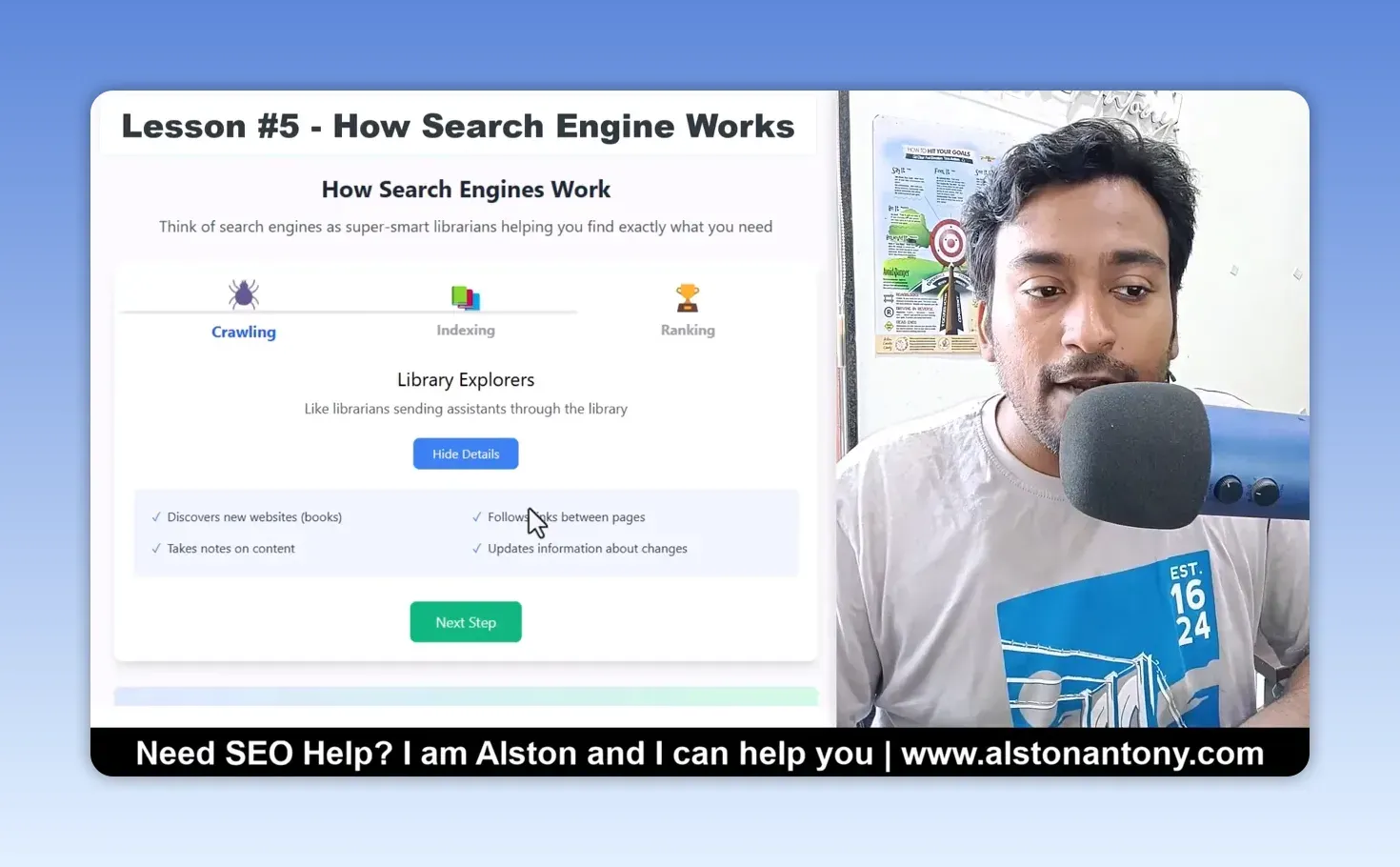
While crawling, a search engine can also note basic page and technical information, such as whether a page can be indexed and which links it contains, and a repeat visit lets it notice changes.
Finding a page is not the same as indexing it. Crawling comes first, and if a search engine struggles to reach or discover a page, everything after gets harder. That is why I want important pages to be accessible and connected through useful links. If a page is found but still isn’t indexed, my guide to fixing Blogger pages that won’t index walks through that situation on one platform.
What happens during indexing?
The search engine organises what it found so it can retrieve it later. In the library, bringing in a pile of books isn’t enough; the librarian has to know what each book is about and file it so it can be found.
A search engine doesn’t only read a page’s title or description. It analyses the content to understand the topic, so a relevant answer in the body of an article can count even when the exact words searched aren’t in the title. Images on the page help it understand what the page contains, too.
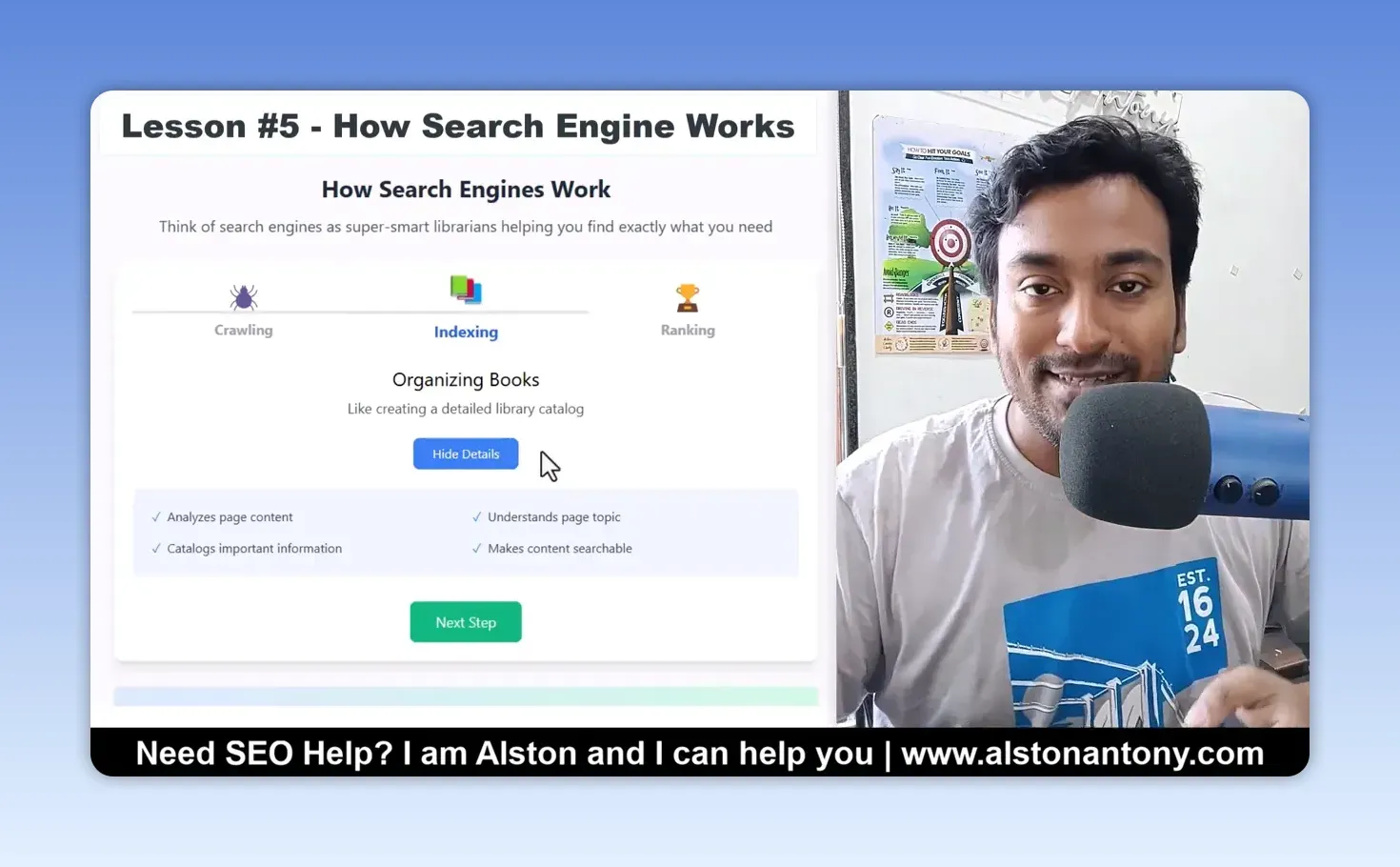
Take a page about the best lawyer in a particular city. The search engine needs more than the words in that phrase: is it a lawyer’s service page, a blog post, or an explanation of the legal system? The page’s purpose and content decide where it belongs. That organisation is what makes fast search possible, because nothing could go through the whole web from scratch every time someone types a question.
The SEO lesson is simple: give every important page a clear topic and content that actually explains it. Don’t rely on an exact keyword in the title while the rest of the page stays vague.
How does ranking decide which page appears first?
By comparing the relevant pages against what the person searching wants. Ask a librarian for a good crime novel with a male lead, and many books may fit, but they still have to decide which to recommend first. Search engines face a much bigger version of that problem: many pages can answer the same question, and they order them by their own criteria, a big part of which is matching search intent, meaning what the person is actually trying to find or do.
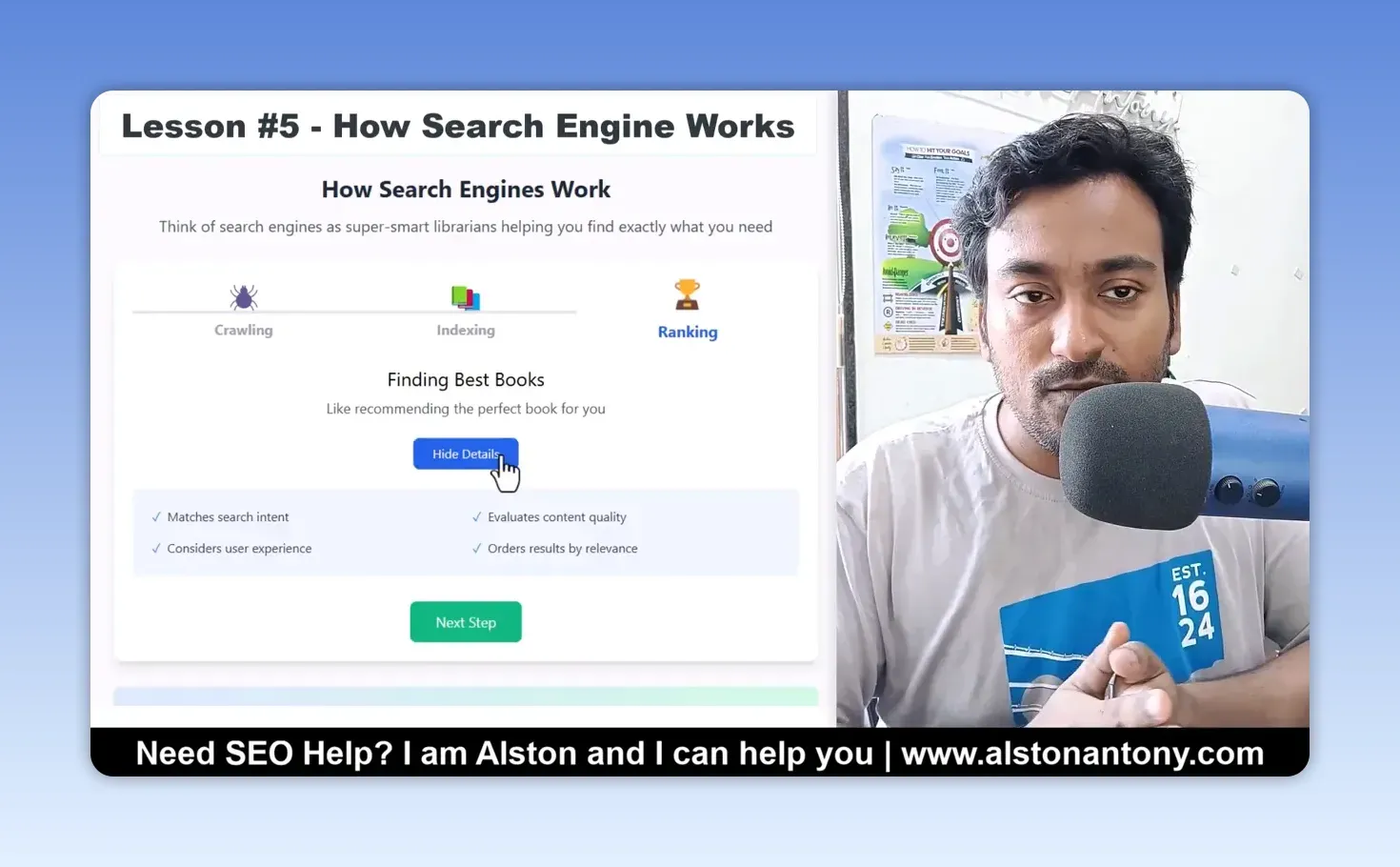
Ranking also weighs aspects of content quality, how useful a result is, and the experience a page provides. I say “aspects” because a search engine is still software: its algorithms analyse signals, they don’t judge a page exactly as a person would. And each search engine has its own rules, so “ordered by relevance” is a useful starting point, not a full list of ranking factors. When those systems change, rankings move, which my guide to Google algorithm updates covers.
Back to the lawyer: a general article about the legal system and a local lawyer’s service page both discuss law, but they serve different needs. That’s why understanding both the topic of a page and the intent behind a search matters. My ChatGPT prompts for keyword research help work out what people mean by the terms they use.
How can you use the three stages to make better SEO decisions?
Ask one question per stage, in order:
- Crawling: can search engines reach your important pages, and find them through links?
- Indexing: is each page clear enough for a search engine to understand what it is about?
- Ranking: does the page answer the person’s actual question and give a useful experience?
Before worrying about where a page ranks, make sure it can be found, then that it says clearly what it is about, and only then how well it answers the search compared with other pages. That is a better foundation than thinking SEO is about repeating keywords.
Make the site easier to crawl, the pages easier to understand, and the content a better fit for what people search for. That won’t promise first place, but it gives your SEO work a clear purpose at every stage. AI search tools handle the last step differently, writing an answer instead of listing pages; my guide to how AI search engines work is the next lesson.
FAQ
Is crawling the same as indexing?
No. Crawling is finding the page; indexing is understanding and filing it. A page can be crawled and still not be indexed.
Does a keyword in the title decide ranking?
No. Search engines read the whole page to understand its topic, then rank pages against the intent behind a search. A clear, useful page matters more than an exact phrase in the title.
Keep reading
You Might Also Like
How do I check Google algorithm penalty?
How do I check Google algorithm penalty? Pick the month your traffic fell and see every confirmed Google update from that window. Free, no signup.
5 min read
What Is the Google Rich Results Test?
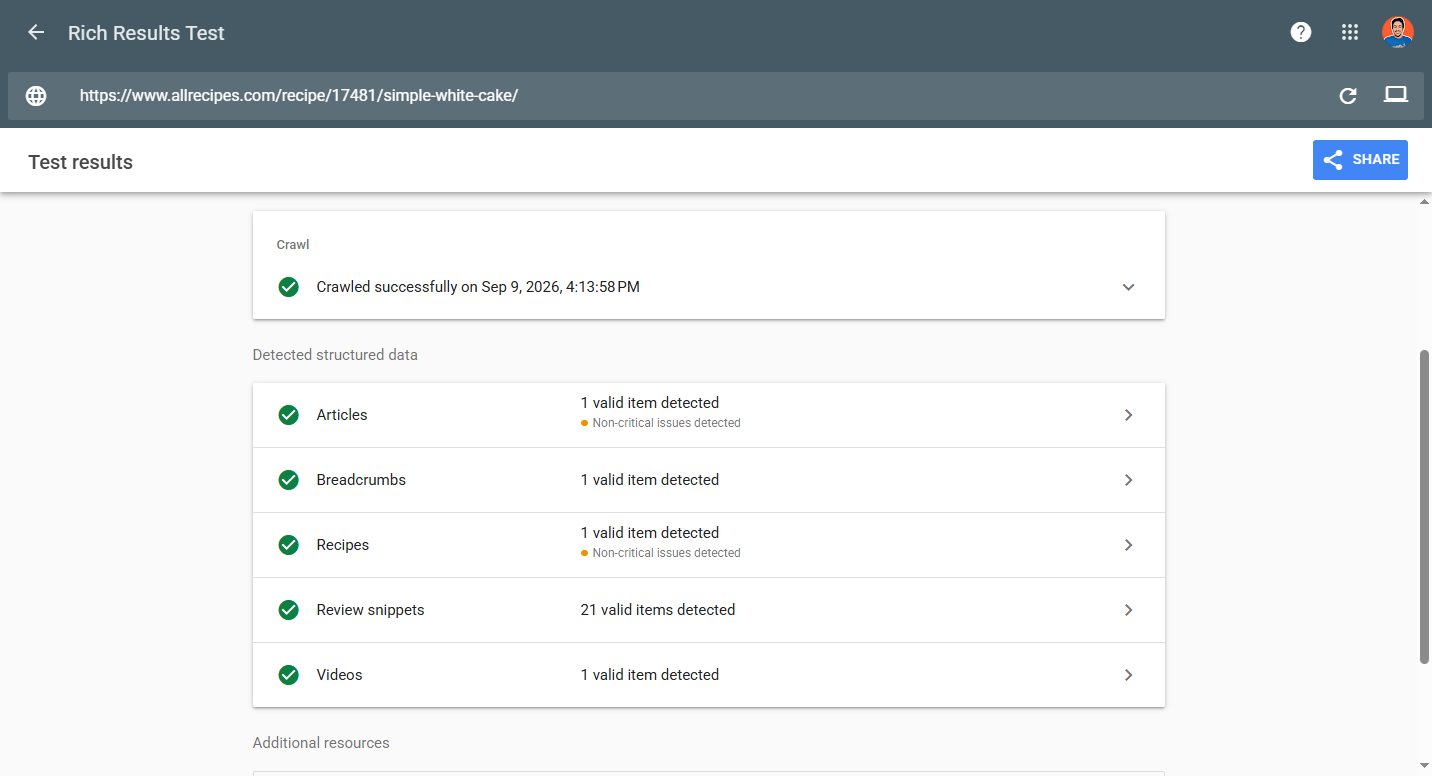
The Rich Results Test reports eligibility, not validity, not display, not ranking. Google's own docs say a pass guarantees nothing. Here is the gap.
4 min read
Blogger Not Indexing in Google? Here Is How to Fix It (2026)
Your Blogger site not indexing in Google for months? Learn how to fix redirect errors, m=1 issues, and Search Console problems step by step. Tested solutions inside.
14 min read