Convert SEO Keyword List to Comma Separated Keywords List
Convert SEO keyword list to comma separated keywords list in one paste. Drop a column from Excel, Ahrefs or Search Console in, get a joined line out.
5 min read
seoseo-toolsfree-tools
Category
The standing SEO reference: domain registrars, indexing diagnostics, outreach inboxes and the servers the work runs on. Written to be checked, not read once.
Convert SEO keyword list to comma separated keywords list in one paste. Drop a column from Excel, Ahrefs or Search Console in, get a joined line out.
5 min read
The same SEO advice is wrong for three of these four businesses. Four mapped buying journeys, plus sixteen months of real data from a property I own.
2 min read
How can I find my domain SEO power? Score any domain 0-100 on real Ahrefs Domain Rating from the official API, not an estimate. Free, no signup.
6 min read
How do I check Google algorithm penalty? Pick the month your traffic fell and see every confirmed Google update from that window. Free, no signup.
5 min read
How do I check SEO keyword density? Paste your draft and get every term ranked by frequency and density, scored with the correct phrase formula.
4 min read
How to convert SEO list to SEO spintax in one paste: keyword list in, {a|b|c} spintax out, plus an expander to preview every variation. Free.
4 min read
How to count SEO words, characters, sentences, paragraphs, reading time, speaking time in WebPage: all seven counted as you type. Free, no signup.
5 min read
A free SEO quiz on where search actually happens. Twelve questions, no signup, and every answer cites the primary document it came from.
1 min read
A free SEO strategy template you fill in rather than download. Five questions produce a journey map, then six assignments and a seven-day schedule.
2 min read
A free three-question tool that returns a ranked shortlist of search surfaces plus, more usefully, the ones to drop. No signup, weights published.
2 min read
Why case conversion matters for SEO, plus a converter for uppercase, lowercase, Sentence case, Title Case, alternating and inverse. Free, no signup.
5 min read
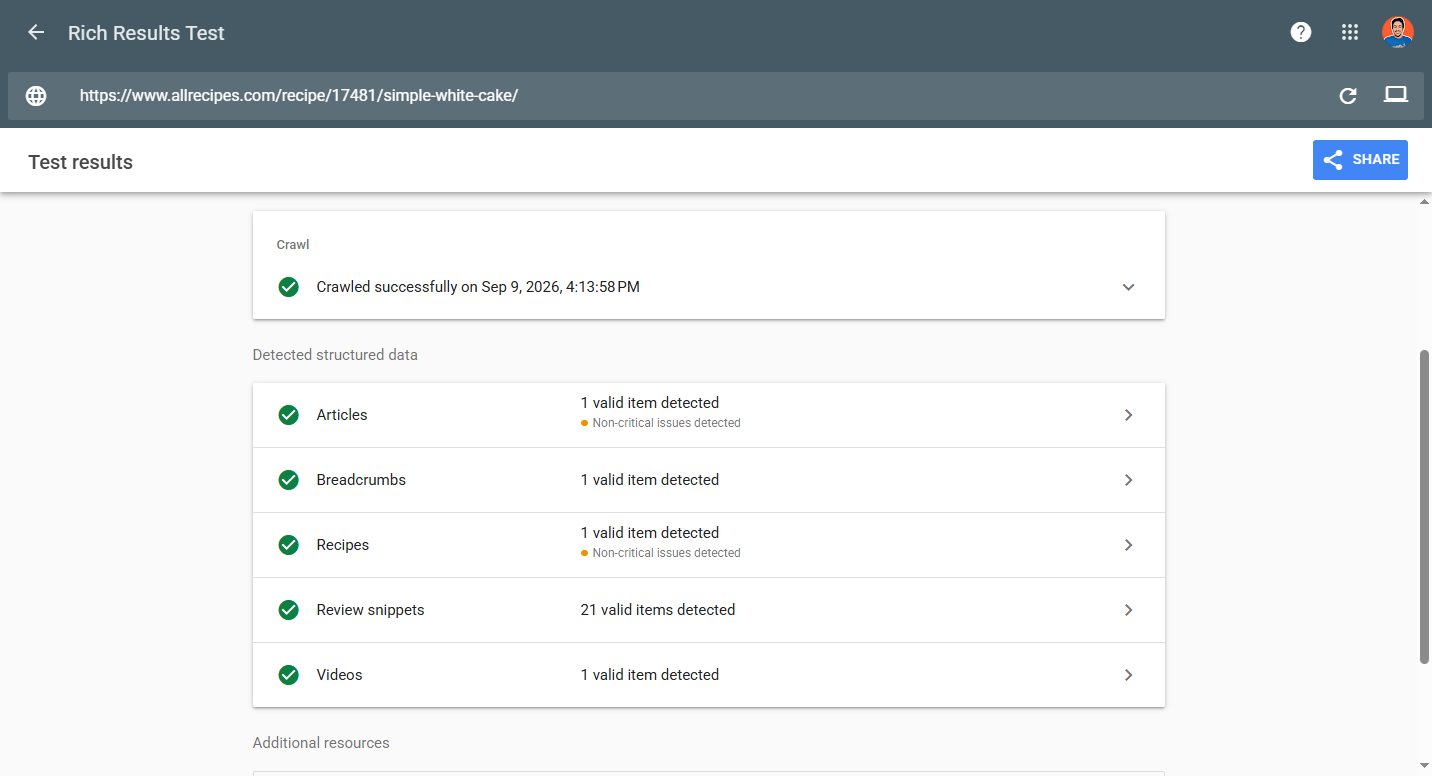
The Rich Results Test reports eligibility, not validity, not display, not ranking. Google's own docs say a pass guarantees nothing. Here is the gap.
4 min read
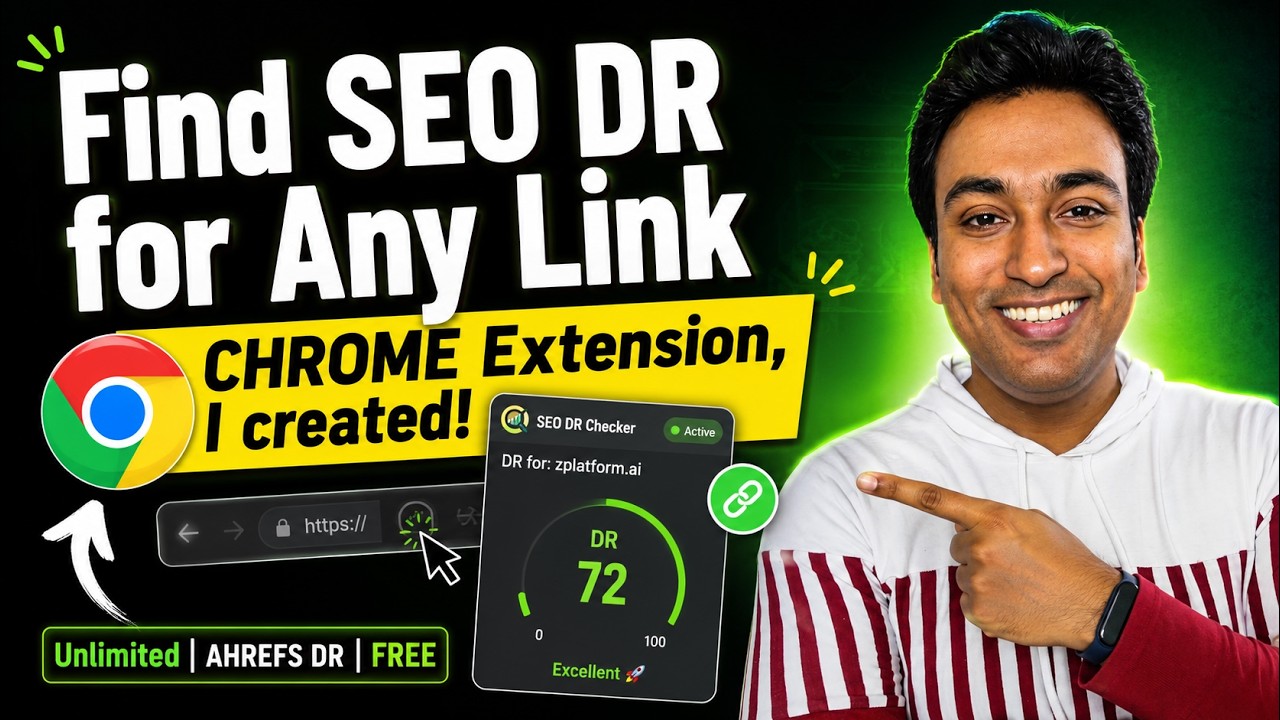
I built a free Chrome extension that shows Ahrefs DR for any site or any link, without opening Ahrefs and without a login. Here is why the name matters.
4 min read
A fake SEO Manager offer landed in my inbox from [email protected]. Here is how the tally.so SEO recruiter scam works and how to spot it fast.
5 min read
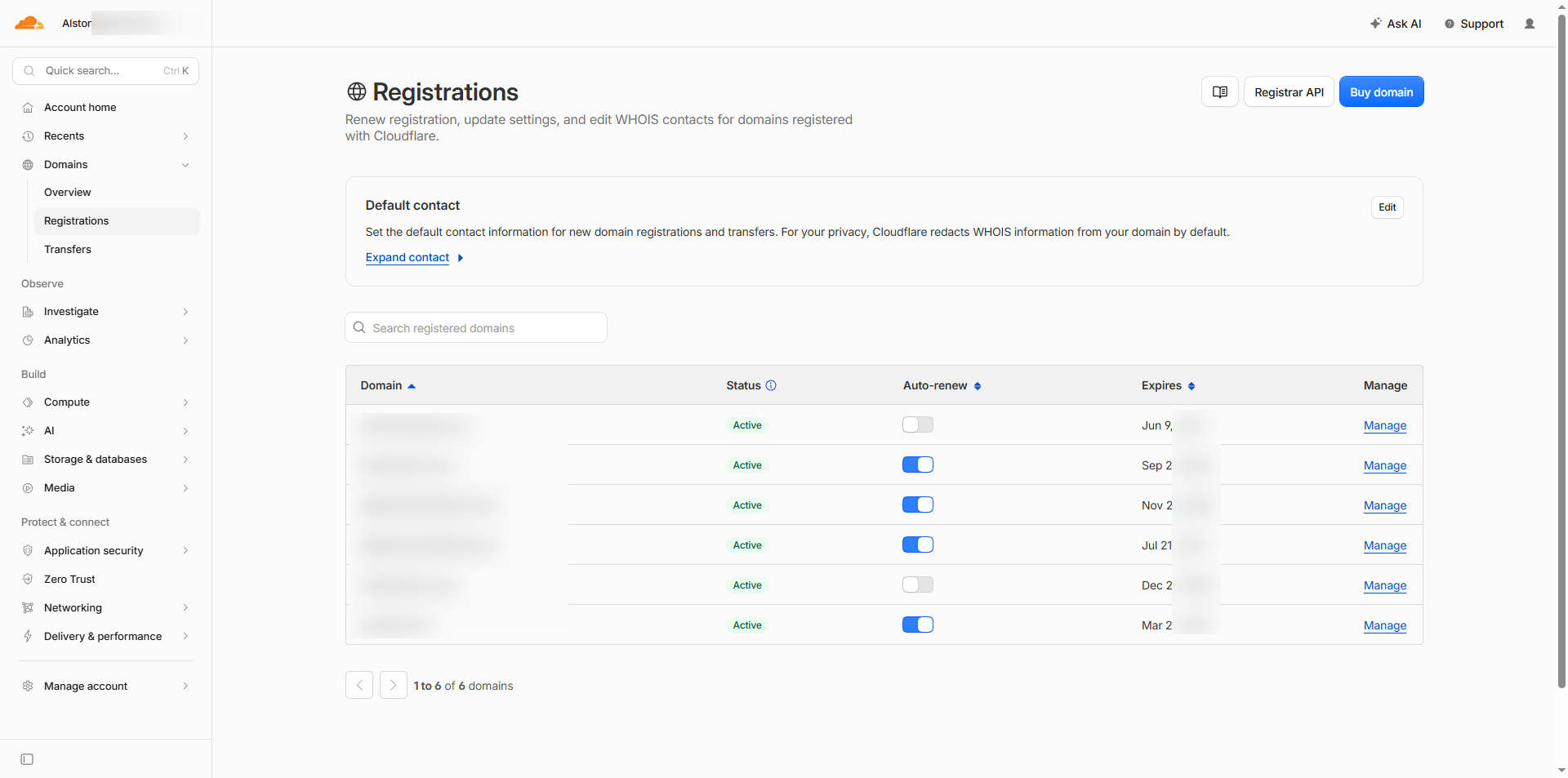
Your registrar has no effect on SEO. Compare renewal price, DNS control and transfer friction instead, and measure every quote against Cloudflare's.
4 min read
Your Blogger site not indexing in Google for months? Learn how to fix redirect errors, m=1 issues, and Search Console problems step by step. Tested solutions inside.
14 min read
Run a Windows Server for SEO from about EUR 5 a month on Hetzner, with no Windows licence fee. Screaming Frog, scrapers and automation 24/7. Full install.
18 min read
Set up a Gmail account for SEO outreach on your computer: the address choice that gets read, phone verification, recovery, security, warm-up and sending limits.
14 min read